
Epinephrine (Adrenaline) Auto-Injector 0.3mg and 0.15mg — Emergency Treatment for Anaphylaxis and Severe Allergic Reactions
Supplied only against a valid prescription from a registered medical practitioner.
Sourced from authorised channels
Temperature-controlled packing
Hospitals, clinics, pharmacies
Delhi drug licence holder
EpiPen® (Epinephrine Auto-Injector) — The Gold Standard in Emergency Anaphylaxis Treatment
A Sourcing and Emergency Preparedness Guide for Hospitals, Clinics, and Pharmacies
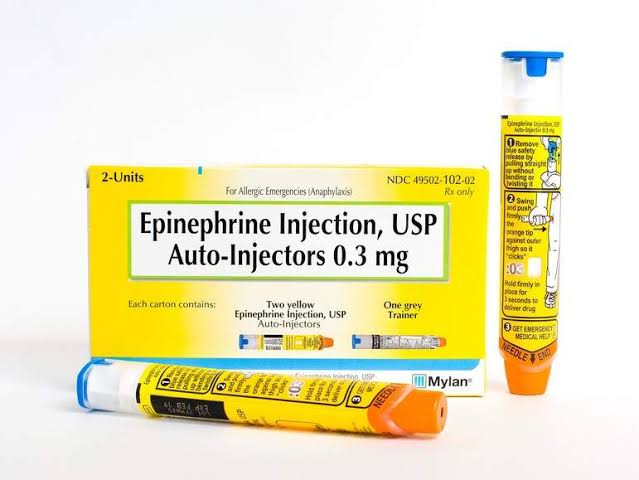
EpiPen® is a pre-filled, spring-loaded epinephrine (adrenaline) auto-injector, designed for the emergency treatment of anaphylaxis — a rapid-onset, potentially fatal systemic allergic reaction. According to the manufacturer’s approved prescribing information, EpiPen delivers a fixed intramuscular dose of epinephrine within seconds of activation, without requiring the user to draw up medication, calculate a dose, or have formal medical training. This design is central to its role in emergency medicine: anaphylaxis can progress from first symptoms to life-threatening airway obstruction or cardiovascular collapse within minutes, and treatment delay is one of the most significant risk factors for fatal outcomes.
As both a trusted medicine distributor in Delhi and a licensed pharmaceutical distributor in Delhi, A.K. Pharma supplies genuine EpiPen (Epinephrine) auto-injectors, in both adult and paediatric strengths, to hospitals, emergency departments, allergy clinics, and pharmacies across India, with strict adherence to storage and expiry management given the time-critical nature of this medicine.
Epinephrine (adrenaline) is an endogenous catecholamine hormone, normally released by the adrenal medulla as part of the body’s acute stress response. When administered at emergency doses during anaphylaxis, epinephrine acts on multiple receptor systems simultaneously to reverse the specific physiological changes that make anaphylaxis dangerous:
Alpha-1 adrenergic receptor activation:
Beta-1 adrenergic receptor activation:
Beta-2 adrenergic receptor activation:
This multi-receptor action is why epinephrine is recognised by major bodies such as the World Allergy Organization and the American Academy of Allergy, Asthma & Immunology as the essential first-line treatment for anaphylaxis — rather than antihistamines or corticosteroids, which act more slowly and do not adequately address the cardiovascular component of a severe reaction.
Anaphylaxis is a systemic allergic reaction that can involve multiple organ systems simultaneously. Recognised warning signs, as described by major allergy and emergency medicine guidelines, include:
Respiratory signs:
Cardiovascular signs:
Skin and gastrointestinal signs:
Anaphylaxis is classified as a medical emergency regardless of the initial severity of symptoms, since reactions can escalate rapidly and unpredictably. Standard emergency guidance recommends administering epinephrine promptly at the first sign of a systemic reaction, and always calling emergency medical services immediately afterward — since epinephrine’s effects are temporary (typically 10 to 20 minutes) and further medical observation and treatment are required even after symptoms appear to improve, given the recognised risk of biphasic anaphylaxis, where symptoms can return hours after the initial reaction resolves. For detailed emergency recognition and response guidance, refer to MedlinePlus Anaphylaxis.
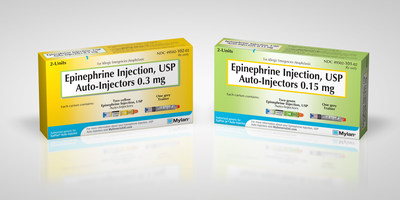
EpiPen is available in the following presentations, per manufacturer specifications:
| Presentation | Strength | Typical Patient Weight | Device Colour Coding |
|---|---|---|---|
| EpiPen | 0.3mg epinephrine (1:1000, 0.3mL) | Adults and children over 30kg | Yellow label |
| EpiPen Jr | 0.15mg epinephrine (1:2000, 0.3mL) | Children between 15kg and 30kg | Green label |
Patients weighing less than 15kg are typically managed with a different formulation and dosing approach, determined by their treating physician.
Understanding the mechanical design is relevant for institutions maintaining emergency stock, since correct device familiarity affects response time in an emergency:
The intramuscular route, specifically into the anterolateral thigh, is used because this site provides more reliable and rapid epinephrine absorption compared to subcutaneous injection, which is a clinically important distinction from older administration methods. Full device instructions and administration guidance are available in the manufacturer’s official EpiPen prescribing information.
According to standard allergy and emergency medicine practice, physicians typically prescribe EpiPen for patients with a confirmed history of, or significant risk factors for, anaphylaxis, including those with:
Patients prescribed EpiPen are typically advised by their physician to carry two auto-injectors at all times, reflecting published emergency medicine guidance that up to 20% of anaphylaxis cases may require a second dose if symptoms do not sufficiently improve within 5 to 15 minutes of the first injection.
Because EpiPen is stocked for emergency use rather than routine administration, storage discipline and expiry tracking carry particular operational importance for institutions:
As a responsible medicine distributor in Delhi, A.K. Pharma stores all emergency medicines including EpiPen under manufacturer-recommended conditions, with expiry-tracked stock rotation, ensuring device and product integrity for every institutional supply.
Given the unpredictable onset and rapid progression of anaphylaxis, maintaining ready emergency stock is considered standard practice across a range of settings:
For any institution maintaining emergency stock, establishing a clear expiry-tracking and rotation system is essential — unlike routine medicines, epinephrine auto-injectors may sit unused for extended periods before an emergency arises, making systematic expiry management the difference between a functional device and a non-functional one when it matters most.
A.K. Pharma is a licensed specialty medicine distributor in Delhi and pharmaceutical distributor in Delhi, supplying genuine EpiPen (Epinephrine) auto-injectors, in both the standard 0.3mg and paediatric 0.15mg (Jr) strengths, to hospitals, clinics, and pharmacies across India. A.K. Pharma maintains manufacturer-recommended storage conditions and provides complete batch and expiry documentation for every supply, supporting institutions in maintaining a reliable, well-managed emergency stock.
What is EpiPen used for?
EpiPen is used for the emergency treatment of anaphylaxis, a severe, rapid-onset, and potentially life-threatening systemic allergic reaction. It is intended to be administered promptly at the first sign of anaphylaxis, followed immediately by emergency medical care.
What is the difference between EpiPen and EpiPen Jr?
EpiPen delivers a 0.3mg dose of epinephrine and is intended for adults and children over 30kg. EpiPen Jr delivers a lower 0.15mg dose intended for children between 15kg and 30kg. The correct strength for an individual patient is determined by their prescribing physician based on body weight.
Why is epinephrine considered the first-line treatment for anaphylaxis, rather than antihistamines?
Epinephrine acts on multiple receptor systems to reverse the airway swelling, bronchospasm, and dangerous drop in blood pressure associated with anaphylaxis, acting within minutes. Antihistamines and corticosteroids act more slowly and do not adequately address the cardiovascular component of a severe reaction, which is why major emergency medicine guidelines identify epinephrine as essential first-line treatment.
Why do patients often carry two EpiPen devices?
Published emergency medicine data indicates that a meaningful proportion of anaphylaxis cases may require a second dose of epinephrine if symptoms do not sufficiently resolve after the first injection, which is why physicians commonly prescribe two auto-injectors for at-risk patients to carry at all times.
How should EpiPen be stored?
EpiPen should be stored at controlled room temperature, away from light, heat, and freezing conditions. The solution should be inspected periodically through the viewing window and the device replaced before its expiry date, or immediately if the solution appears discoloured or contains particles.
Is EpiPen available in India?
EpiPen can be supplied to hospitals, clinics, and pharmacies across India through licensed medicine distributors. Contact A.K. Pharma — medicine distributor in Delhi and pharmaceutical distributor in Delhi — for availability and pricing.
How to order EpiPen from A.K. Pharma?
You can request a quote directly from this page, call us at 011 4172 6999, or WhatsApp us at +91 9810034827 with your requirements, and we will respond promptly.
Does A.K. Pharma supply EpiPen in bulk?
Yes. A.K. Pharma supplies EpiPen in bulk to hospitals, clinics, and institutions across Delhi and India, with expiry-managed stock rotation support for institutional buyers.
📍 E-2/257A, 2nd Floor, Shastri Nagar, New Delhi 110052
📞 011 4172 6999
📱 WhatsApp: +91 9810034827
🌐 akpharma.in
Disclaimer: This page is intended for informational and sourcing/procurement purposes only and does not constitute medical or clinical advice. Anaphylaxis is a medical emergency — always follow the guidance of a qualified healthcare professional and seek emergency medical care immediately after using an epinephrine auto-injector. A.K. Pharma is a licensed medicine distributor and does not provide clinical guidance.